October 17, 2026
For years, flat roofs were primarily associated with warehouses, shopping centers, and other commercial properties. However, residential architecture has evolved, and homeowners are increasingly exploring alternative roof designs that combine functionality with modern aesthetics. Today, flat roofing offers advantages that extend beyond traditional commercial applications, making it an appealing option for contemporary homes.
Unlike conventional pitched roofs, flat roofs feature a nearly level surface with a slight slope designed to direct water toward drainage systems. This distinctive construction creates opportunities for homeowners interested in maximizing usable space, simplifying architectural designs, and exploring innovative roofing materials.
Why Flat Roofs Enhance Modern Home Designs
Modern residential architecture often emphasizes clean lines, geometric shapes, and minimalist aesthetics. Flat roofing complements these design principles by creating a streamlined appearance that blends naturally with contemporary building styles. Without steep slopes or prominent rooflines, homes can achieve a distinctive silhouette that feels sophisticated and intentional.
This architectural flexibility also allows homeowners to incorporate larger windows, creative exterior finishes, and interesting combinations of building materials. Features such as expansive glass doors, natural stone accents, and wood siding can work particularly well with low-profile roof designs.
Additionally, flat roofs can help create visual consistency throughout a property. Garages, home additions, covered patios, and primary living areas can share similar rooflines, producing a cohesive appearance.
Why Flat Roofs Create Additional Outdoor Living Opportunities
Homeowners increasingly value outdoor spaces that extend their living areas beyond traditional interiors. Flat roofing can provide opportunities to incorporate rooftop terraces, gardens, or recreational areas when the building is specifically designed to support these uses.
A properly engineered rooftop space can become an attractive location for outdoor seating, container gardens, or peaceful relaxation. For properties with limited yard space, this additional area may be particularly appealing.
However, converting a roof into a usable outdoor environment requires careful structural planning. Load-bearing capacity, waterproofing, drainage, access, and protective barriers must all be evaluated before incorporating recreational features.
Professional contractors can determine whether a particular structure can accommodate these improvements and recommend appropriate construction methods.
Even when a roof isn’t designed for regular foot traffic, its configuration can provide architectural opportunities that would be difficult to achieve with steeply pitched surfaces. This versatility makes flat roofs worth considering for homeowners seeking creative ways to use their available property space.
Why Flat Roofs Simplify Certain Maintenance Tasks
Roof maintenance is essential for protecting a home’s structural integrity and preventing moisture-related problems. Flat roofing can make certain professional inspection and maintenance activities more accessible because contractors generally encounter less steep working surfaces.
This accessibility may simplify the evaluation of roofing membranes, flashing, drainage components, and rooftop equipment. Professionals can often examine larger sections of the roof without navigating the pronounced slopes found on traditional residential structures.
Nevertheless, flat roofs require consistent attention to water management. Debris accumulation, clogged drains, and damaged waterproofing materials can interfere with proper drainage and contribute to moisture intrusion.
Routine professional inspections help identify developing concerns before they affect interior spaces or underlying structural components. Contractors can also evaluate whether the roof’s drainage system is functioning as intended.
Although a relatively level surface may offer accessibility advantages, it doesn’t eliminate safety hazards or maintenance requirements. Qualified roofing professionals remain essential for conducting inspections, identifying vulnerabilities, and recommending repairs that protect the home’s long-term condition.
Why Flat Roofs Support Flexible Roofing Material Choices
Residential roofing systems must withstand changing weather conditions while providing dependable protection against moisture. Flat roofing accommodates several specialized materials developed to perform effectively on low-slope surfaces.
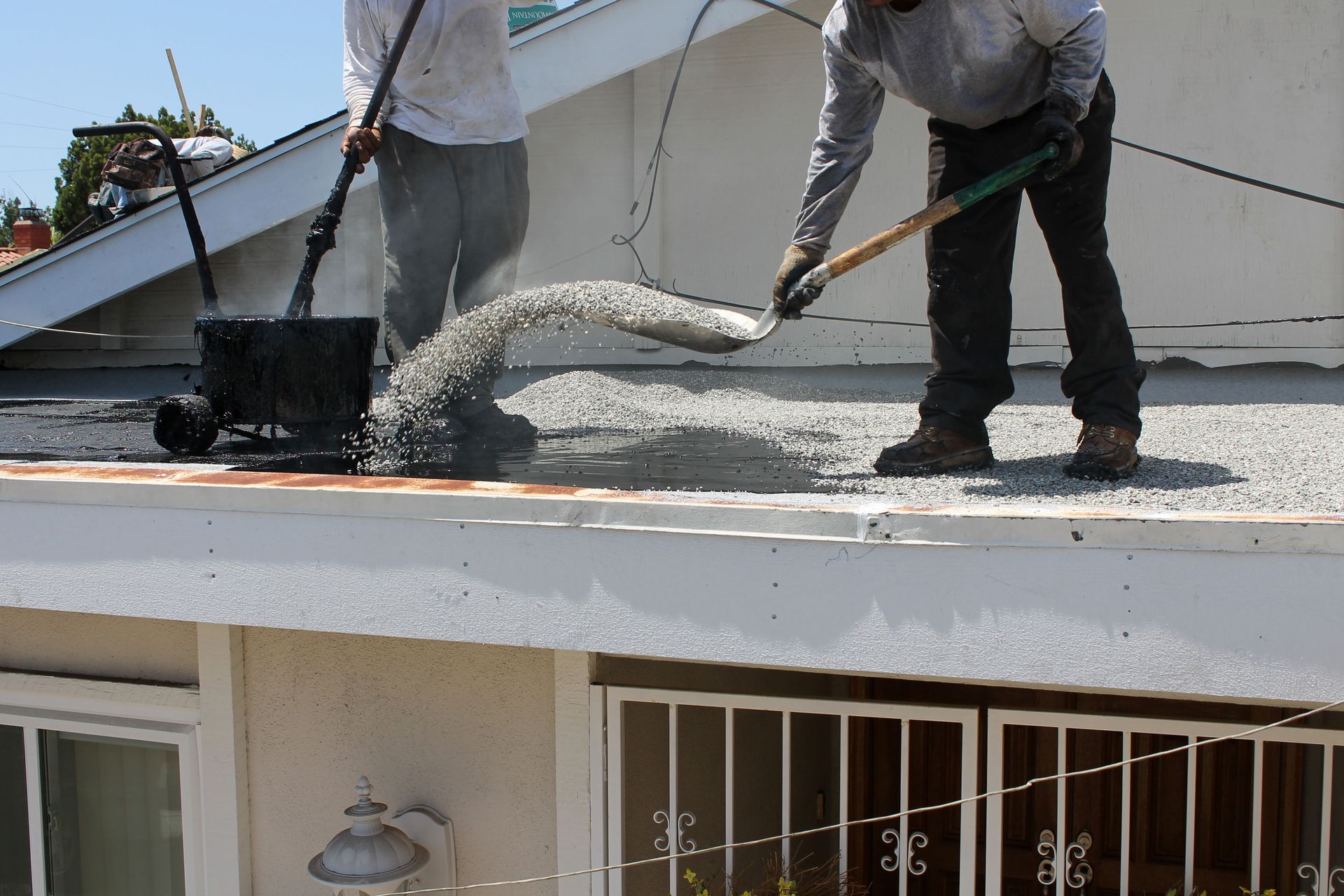
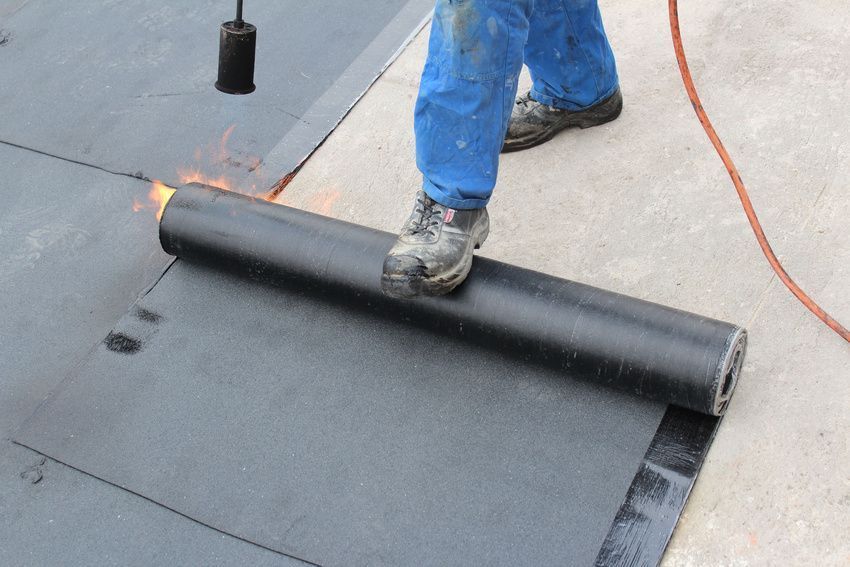
Common options include modified bitumen, built-up roofing systems, and single-ply membranes. Each material offers different characteristics related to flexibility, durability, installation requirements, and maintenance expectations.
For example, certain membrane systems provide continuous waterproofing surfaces that help minimize potential entry points for moisture. Other materials incorporate multiple protective layers designed to withstand environmental exposure.
Material selection should account for regional weather patterns, expected roof traffic, building design, and long-term maintenance needs. Climate conditions can significantly influence which system offers the most appropriate performance characteristics.
Professional roofers can explain the advantages and limitations of available products while identifying solutions compatible with a home’s construction.
Rather than relying solely on appearance, homeowners benefit from selecting roofing materials based on their property’s specific requirements. A properly chosen and professionally installed system can provide reliable protection while supporting the overall architectural vision.
Why Flat Roofs Offer Practical Budget Considerations
Roofing expenses are an important consideration when building or renovating a home. Flat roofing may offer certain cost advantages because its design can involve less complex framing and fewer architectural components than elaborate pitched roof structures.
However, total project expenses depend on numerous factors, including roofing materials, structural requirements, insulation, drainage systems, and labor costs.
According to HomeGuide, average flat roof replacement expenses range from $3 to $11 per square foot, with overall projects costing between $4,000 and $16,800 depending on roof dimensions and material selection.
These figures illustrate why homeowners should evaluate the complete scope of a roofing project rather than focusing exclusively on the initial installation price.
Long-term expenses also deserve consideration. Routine maintenance, potential repairs, energy performance, and eventual replacement requirements can influence the overall cost of ownership.
Obtaining a detailed professional assessment helps homeowners understand which expenses apply to their particular property. With realistic expectations and appropriate material selection, a flat roof can become a practical investment that balances appearance, functionality, and financial considerations.
Why Flat Roofs Accommodate Energy-Efficient Features
Energy efficiency remains an important priority for homeowners seeking comfortable interiors and manageable utility expenses. Flat roofing can support several design features intended to improve a home’s thermal performance.
Reflective roofing membranes, for instance, can reduce the amount of solar heat absorbed by the roof surface. Depending on climate conditions and building characteristics, this may help limit unwanted heat transfer into interior spaces.
Insulation also plays an important role. Properly designed roofing assemblies help maintain indoor temperatures by reducing heat movement between the building and the surrounding environment.
Additionally, some flat roofs offer suitable locations for solar panel installations. Their relatively open surfaces may provide flexibility when professionals determine appropriate panel orientation, mounting methods, and structural support.
Energy performance ultimately depends on the complete roofing assembly rather than its shape alone. Insulation quality, membrane characteristics, ventilation requirements, and installation practices all contribute to overall results.
Working with experienced contractors helps homeowners explore solutions that support energy-conscious construction without compromising waterproofing or structural reliability.
Why Flat Roofs Allow Greater Architectural Flexibility
Homeowners often discover that their needs change as their families grow or their lifestyles evolve. Flat roofing offers architectural flexibility that can support certain renovation and expansion plans.
For example, a low-profile roof may integrate naturally with contemporary home additions, attached garages, or covered outdoor spaces. This consistency can help new construction appear connected to the original structure.
Flat roofs can also accommodate certain mechanical installations, provided the building is designed to support the equipment and maintain appropriate service access. Positioning equipment away from ground-level areas may preserve valuable exterior space.
Furthermore, the simplified roofline can give architects additional flexibility when planning interior ceiling heights and exterior proportions.
These possibilities depend on factors such as local building requirements, structural engineering, and the existing property’s configuration.
Professional planning is especially important because modifications affecting roof loads, drainage patterns, or waterproofing systems can introduce significant complications.
By considering future needs during the design process, homeowners can create adaptable residential spaces that maintain their functionality and visual appeal over time.
Why Flat Roofs Deserve Consideration for Residential Properties
Flat roofs have become a practical architectural option for homeowners who appreciate contemporary design, adaptable spaces, and specialized roofing solutions. Their benefits extend beyond appearance, offering opportunities for efficient layouts, outdoor living features, and thoughtful building improvements.
However, achieving satisfactory results requires appropriate structural design, dependable drainage, compatible materials, and professional installation. Every property presents unique conditions that should influence the final roofing decision.
Choosing the right roofing system is an important investment in your home’s protection and appearance. At New Horizon Home Experts, we understand that every property has different requirements. Our team can help you explore suitable roofing options, evaluate your property’s needs, and make informed decisions about your project. Contact us today to discuss your roofing goals and discover how we can help you move forward with confidence.